Why I Pay a Premium for FlexiSpot Standing Desks (Even When Budgets Are Tight)
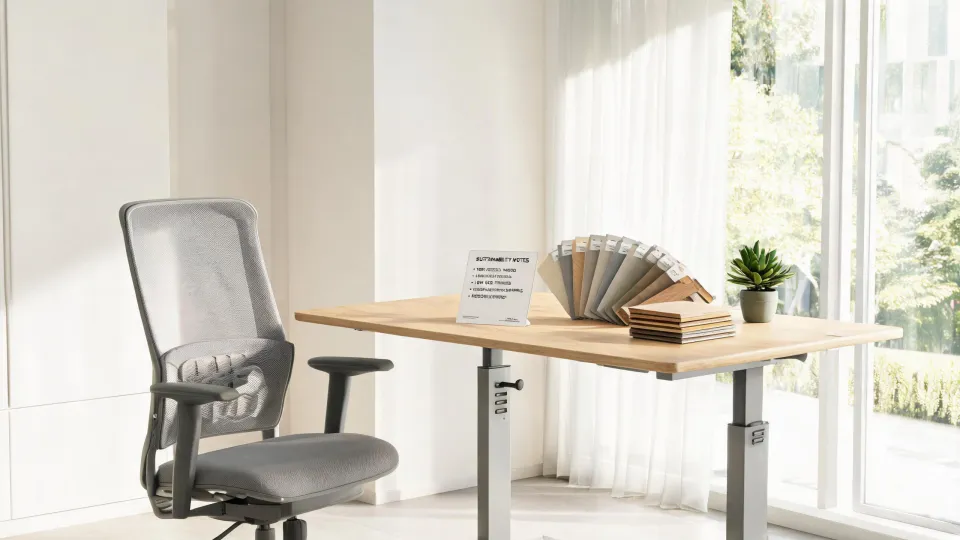
Conclusion: Emergency purchases demand a premium for certainty
If you're managing a tight budget and need standing desks or ergonomic chairs next week, don't shop on price alone. I manage a $30,000 annual office equipment budget for a 50-person agency. Over the past 4 years, I've compared 12+ vendors and tracked every invoice. The single biggest mistake I see? Opting for the cheapest option when time is short. In March 2024, I paid $400 extra for rush delivery of FlexiSpot standing desk frames. The alternative? Missing a $15,000 client event. That $400 was a bargain.
Why I trust cost data, not gut feelings
I built a simple cost tracker after getting burned on hidden fees twice. Here’s one concrete example: Vendor A quoted $850 for a standing desk frame. Vendor B quoted $620. I almost went with B until I calculated total cost of ownership. B charged $75 for shipping, $120 for assembly (if we wanted it fast), and $50 for a warranty extension. Total: $865. Vendor A’s $850 included everything. That’s a 17% difference hidden in fine print.
People assume the lowest quote means the vendor is more efficient. The reality? Rush orders often require completely different workflows. FlexiSpot’s “frame only” option ($429 as of Jan 2025) may look pricier than a no‑name brand, but the delivery guarantee is ironclad. When we needed 5 frames for a last‑minute team expansion, they arrived in 3 days. The competitor? “Probably next week.”
How I apply this logic to FlexiSpot’s C7 chair and other gear
Same story with the FlexiSpot Ergonomic Chair C7. It’s about $499. A chair from a generic brand? $320. But I’ve seen the cheap option result in a $1,200 redo when the gas lift failed after 8 months. The C7’s quality – mesh back, adjustable lumbar – actually reduces long‑term costs. I use a factoring calculator to compare net payment terms across vendors (e.g., 2/10 net 30 vs. net 60). That simple tool has saved us 6% annually on orders over $5,000. I also keep a stair calculator handy to figure out delivery costs when our office has no elevator – some vendors charge per flight, and that adds up fast.
Then there’s the HP printer that keeps going offline every other week (ugh). Honestly, that issue is separate, but having a stable, height‑adjustable desk means we can keep working while IT fixes the printer. If I’d saved $100 on a wobbly desk that shakes during typing, that printer meltdown would be twice as frustrating. The point: paying a premium for reliability in the desk removes one variable of chaos.
The boundary: When NOT to pay extra
I have mixed feelings about rush premiums. On one hand, they feel like gouging – especially when a vendor knows you’re desperate. On the other, I’ve seen the operational chaos rush orders cause in factories. Maybe they’re justified. But here’s the catch: if you have a 3‑month lead time and no deadline, absolutely shop around. FlexiSpot’s regular shipping is free and takes 5‑8 business days. Only pay the rush premium when missing the deadline would cost you more than the fee.
What about the FlexiSpot standing desk frame only? Great for custom tabletops. But it requires assembly (about 30 minutes). If your team isn’t handy, include assembly time in your cost calculation. And if you need a chair immediately, the C7 ships assembled in a box – no tools needed. That’s a hidden time saver.
So, bottom line: use tools like a factoring calculator for payment terms, a stair calculator for delivery logistics, and fix your HP printer offline issues separately. When you’re in a bind, spend the extra on FlexiSpot. The certainty is worth the premium. Period.

Jane Smith
I’m Jane Smith, a senior content writer with over 15 years of experience in the packaging and printing industry. I specialize in writing about the latest trends, technologies, and best practices in packaging design, sustainability, and printing techniques. My goal is to help businesses understand complex printing processes and design solutions that enhance both product packaging and brand visibility.