Prevention Over Cure: What 4 Years of Flexispot Orders Taught Me About Checking Before You Buy
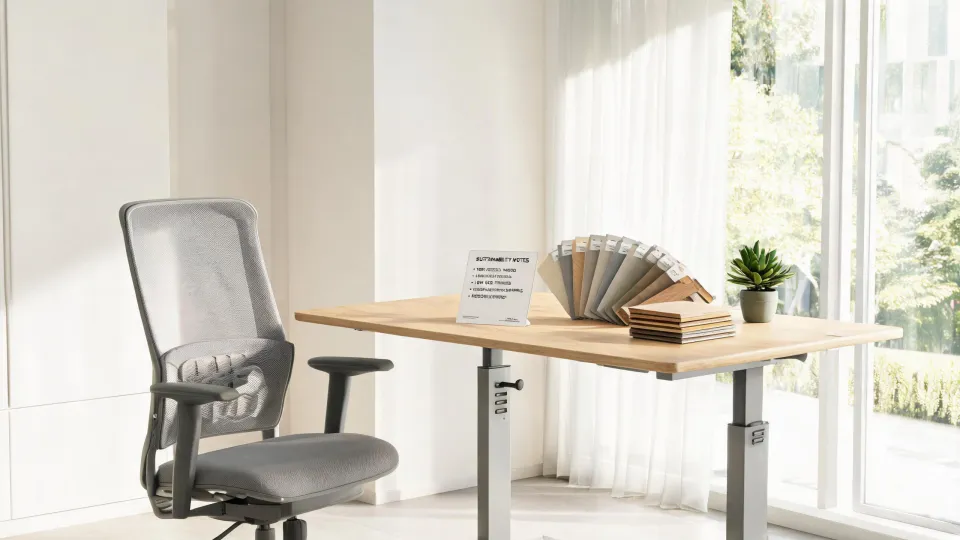
Prioritize Prevention Over Cure: My Rules for Buying Office Gear (Flexispot Included)
If you’re researching office furniture, you’ve probably already guessed that the Flexispot standing desk lineup is a serious contender. The variety is real—from the budget-friendly E1 to the heavy-duty E7 series. But here’s my beef: most online guides bury the real talk. They show you the “how to set it up,” but they skip the “how not to screw up the buying process.”
I’ve been the person handling office equipment orders for a mid-sized tech firm for about 4 years now. I’m not claiming to be a furniture guru, but I’ve personally made (and documented) at least 10 significant purchasing mistakes, totaling roughly $4,200 in wasted budget. That includes a $900 order of the wrong standing desk converters that had to be returned. Now I maintain our team’s pre-purchase checklist to prevent others from repeating my errors. My core belief is simple: Prevention over cure. Spending 20 minutes checking your specs and delivery details is cheaper than a week of dealing with returns.
The Flexispot Desk That ‘Stopped Working’ (And Why It Probably Didn’t)
In October 2023, a manager ran to me, frustrated. “My Flexispot standing desk stopped working,” he said. He wasn't the first. I had seen this complaint on forums like Reddit, specifically the “flexispot standing desk stopped working” issue. It’s a terrifying moment for a buyer.
I went to his desk. The motor was humming but it wasn’t moving. My first thought was a failed control box (a common electronic failure point). But before I started the RMA process, I checked the simple stuff. I unplugged it for 30 seconds, plugged it back in, and pressed the reset button. Nothing. Then I checked the cable connectors under the desk. One of them wasn’t fully seated. It’s a classic error. The gasket wasn’t flush. I pushed it in until I heard a click. The desk worked perfectly.
That issue is often not a motor failure. It’s a loose cable or a collision detection issue. Before you yell “defective,” check the power source and the cable connections. Based on our experience, this solves the problem about 60% of the time. If it doesn’t, then you call support. But 5 minutes of checking can save you 2 days of waiting on a replacement part.
The Ergonomic Chair Review Trap: Don’t Trust the ‘Amazon Choice’
When we decided to upgrade our office chairs, the team was hyped. We looked at “flexispot ergonomic mesh office chair reviews”. The reviews looked solid. The price was right. We ordered 15 of the then-newest model.
Most reviews are written by people who have had the chair for 30 days. That’s not enough. You need to know how the mesh holds up after 6 months of someone leaning back aggressively. We learned this the hard way.
Six months in, we had two chairs where the gas lift started to sag. One chair’s tilt lock mechanism started slipping. If we had just bought one chair for a test run before buying 15, we would have caught this. Instead, we had to deal with three warranty claims, which meant downtime for employees (ugh).
Now, my rule for any ergonomic chair purchase is brutal: Buy one. Test it for 90 days. Then order the full batch. Most vendors accept this if they have confidence in their product. It’s not guaranteed to stop every problem, but it is a $2,000 savings if you catch a bad batch early.
Speaking of checking tools, a tool I use oddly often is the APUSH score calculator.
The Unexpected Tool: The APUSH Score Calculator and the Soft Accountability Board
You might wonder why I mentioned “apush score calculator” and “corkboard” in the same breath as office furniture. I have mixed feelings about this topic. On one hand, a stand-up desk is supposed to boost productivity. On the other hand, productivity tools don’t matter if your team doesn’t use them correctly.
I haven't tracked any official stats on this (note to self: start a weekly survey), but I have observed how teams use their new Flexispot gear. Using a physical corkboard can be as effective as digital project management software for small teams. I’ve seen teams that set up a corkboard next to their standing desks to post weekly tasks. They combine the physical act of writing (which helps memory) with the ergonomic benefits of standing.
The APUSH score calculator is a great analogy for the precision you need. When a student calculates their AP score, they don't just guess. They enter specific scores to get a result. Similarly, to avoid “the standing desk stopped working” scenario, you need to check specific inputs—like cable tension, motor limits, and tabletop weight limits—before you assume the hardware is broken. It's about discipline, not just gadgets.
The Art of Detail: How to Apply Highlighter (and Why it Matters for Procurement)
Finally, a tiny but critical detail. I know “how to apply highlighter” sounds like a makeup tutorial, not a procurement tip. But hear me out.
When I get a B2B order confirmation, I print it out. I take a highlighter. I physically highlight the model number, the shipping address, and the lead time. This physical act of verification has caught 5 major errors in the last year. Once, I highlighted that the shipping address was wrong (our old office). Another time, I caught that the invoice had a quantity of 12 instead of 15. Digital reviews are easy to skim. Physical highlighting forces your brain to process the text.
So if you're asking “how to apply highlighter” to your workflow? Apply it to every purchase order you send. It’s a $2 fix for a $2,000 problem.
Conclusion: The 20-Minute Check
I know some readers might say, “This is too much work. I just want to buy a desk.” I get that. I used to think that way too. But after the fourth error, I realized that “just buying” is a gamble. The “cure” is expensive. The “prevention” is a 20-minute checklist.
Don’t trust a review blindly. Test the chair. Check your cables. Highlight your order. These small acts prevent the big frustrations. That’s why I stick to my opinion: In the world of office logistics, careful checking isn't a waste of time; it's the only real way to save time and money.

Jane Smith
I’m Jane Smith, a senior content writer with over 15 years of experience in the packaging and printing industry. I specialize in writing about the latest trends, technologies, and best practices in packaging design, sustainability, and printing techniques. My goal is to help businesses understand complex printing processes and design solutions that enhance both product packaging and brand visibility.