My Experiment with Flexispot: From Skeptical Buyer to Convert & Practical Lessons Learned
Here's what went wrong: I'm the office administrator for a 150-person company. I manage all office furniture and supply ordering—roughly $90,000 annually across 8 vendors. I report to both operations and finance. In my five years of doing this, I've developed a healthy skepticism for anything that sounds too good to be true. So when the new VP of HR asked me to "look into standing desks for the whole sales floor," I was already bracing myself. This was going to be another one of those projects—endless options, fake reviews, and a budget that didn't cover the premium brands everyone claimed we needed.
If I'm being honest, I started the Flexispot evaluation with a bias rooted in a bad experience from three years ago, when I ordered a cheaper electric desk for our IT department. It arrived with a wonky control panel and the motor started rattling after two months. The vendor ghosted us on the warranty. That cost me $300 out of the department budget to repair, and it made me look bad to the CFO when I submitted the expense report. Since then, I've only bought from suppliers I can call on the phone, and I've avoided the big-name online brands altogether.
But this project was different. We had 40 people across three locations, and the budget was set. I needed to find something reliable, adjustable, and priced so I could justify it. After a lot of internal debate (and some late-night research on Reddit), I decided to look at a few direct-to-consumer brands: Autonomous, Uplift, and Flexispot. The one that kept popping up, surprisingly, was Flexispot. Not because of slick marketing, but because of user reviews—mostly from IT guys and office managers like me—who had actually bought the stuff and weren't just spamming links.
The Research Phase: Why I Picked Flexispot
I started with a simple spreadsheet. I'd learned from a previous mistake in 2021—invested in a premium brand's chair without comparing specs, and it turned out the seat depth wasn't adjustable for shorter team members—so this time I was determined to be thorough. I listed five criteria: weight capacity, height range, motor type, warranty, and price for a full package (desk + chair). Then I compared the top market options.
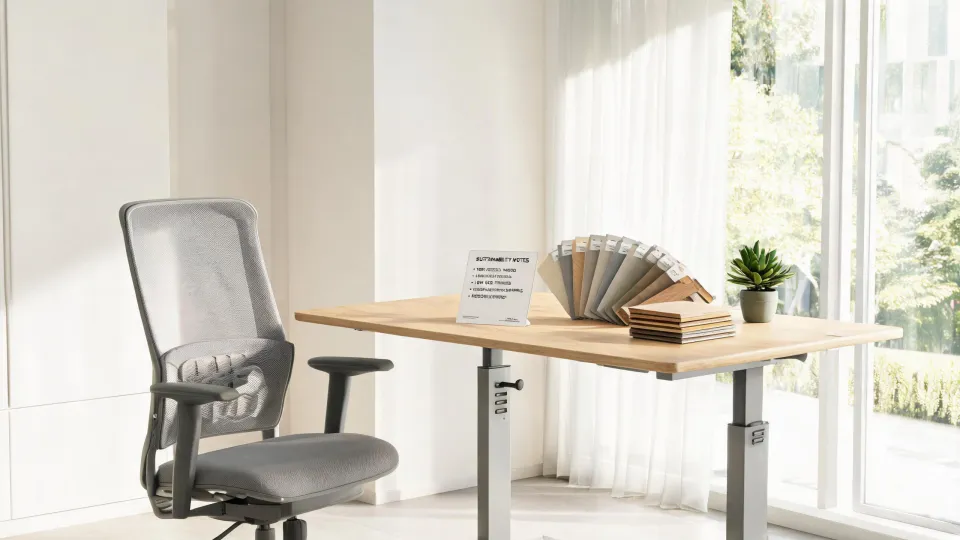
Flexispot kept coming out on top for one reason: the combination of price and adjustability. The E7 standing desk, for example, had a weight capacity of 335 lbs, a height range from 25.6 to 49.2 inches, and dual motors for stability. The price, as of January 2025, was around $550 for the 60x30 inch version. By contrast, a comparable Uplift desk was closer to $800. Would I say Flexispot is better than Uplift? No, because I haven't done a side-by-side test. But for our budget, it made sense.
Then came the chair. The C7 ergonomic chair was the one I'd seen most reviewed. The adjustable lumbar support and 4D armrests sounded good on paper, but I needed to be sure. I requested a sample unit for the office (Flexispot's customer service was responsive—something I learned to check after that $600 redo I mentioned earlier).
The Installation: A Learning Curve
When the first E7 desk arrived, I had to assemble it myself—a Friday afternoon task I wasn't looking forward to. I'm no handyman, and I've built a few IKEA desks that ended up with leftover screws. But Flexispot's instructions were clearer than most. It took about two hours for one person (or rather, three hours when you count the coffee breaks and the one time I had to re-attach the control box upside down). The instructions honestly could've used a few more diagrams (note to self: I should mention this in my feedback), but overall, the hardware quality was solid. The frame was steel, not that cheap plastic I'd seen on the earlier desk from 2022 that eventually broke.
The C7 chair was easier. It came in one box, and assembly took about 15 minutes. The seat cushion grabbed my attention first—it was thick, memory foam that didn't feel like I'd bottom out after six months. The mesh back was also a pleasant surprise; it breathes well, which for our IT team (who basically live in their chairs 12 hours a day) makes a noticeable difference.
Three Months Later: The Real Test
After using the Flexispot desk and chair for a full quarter, here's where I landed. The desk motor is quiet—a must for an open office. The height memory presets actually work, and I've set mine to 29 inches for standing and 24 inches for sitting. The biggest benefit has been my lower back fatigue, which has definitely decreased. I'm not saying the C7 chair eliminated my back pain (that would be an untrue medical claim I can't make), but I definitely notice that my lower back does not ache the way it did with the old Staples chair I was using.
The one hiccup was a small issue with a control panel connector on one desk. It seemed a bit loose after a week. I called Flexispot support expecting a fight, but they sent a replacement component within three days. The repair took me about 10 minutes. That experience alone made me feel good about scaling the purchase.
The most surprising part of this entire process has been the dip in resistance from the sales team. I was worried they'd complain about the looks or the feel of the new setup. Instead, a few senior reps have told me they prefer it over the Herman Miller chairs they had at their previous job. That's either a true statement or they're just being nice—but it's a win either way.
What I Would Have Done Differently
If I had to do this again, I would have ordered the chair and desk together. Flexispot offers a bundle discount, and I didn't take advantage of it because I wanted to test the desk first. That was a mistake. Buying separately probably cost the department an extra $100-150.
I also would have invested the time to create a simple, one-page "Usage Checklist" for the team. Things like:
- How to reset the control box (a 5-second fix from the manual)
- How to adjust the lumbar support on the C7 (it's easy, but not obvious)
- What to do if the desk beeps at you (spoiler: it's not broken)
The first question I got from the VP was "The desk made a weird noise. Is it broken?" It wasn't. It just needed a quick reset.
Final Verdict: Is Flexispot Worth It for B2B?
So glad I pushed through my own skepticism and tried these products. I almost went with a more traditional local supplier (which would have been $200 more per unit), which would have blown the budget for the remaining 20 desks. Dodged a bullet there, honestly.
For an admin buyer or office manager on a budget—and I say this as someone who's embarrassed by costly buying mistakes—Flexispot offers the best bang-for-buck in the electric standing desk and ergonomic chair market, at least in early 2025. It's not the cheapest option, but it's also not the most expensive. And the adjustability and durability are real.
This review was accurate as of Q1 2025. The market changes fast, so verify current pricing and availabilities before budgeting. My recommendation is to order one desk and chair to test before making a full purchase, especially if your team has specific ergonomic needs. Your CFO will thank you for not over-spending on a premium brand, and your back will thank you for standing more than you sit.
Disclaimer: I purchased these products for my company with my own budget. I'm not sponsored by Flexispot or any other brand. This is my honest opinion after personal use.

Jane Smith
I’m Jane Smith, a senior content writer with over 15 years of experience in the packaging and printing industry. I specialize in writing about the latest trends, technologies, and best practices in packaging design, sustainability, and printing techniques. My goal is to help businesses understand complex printing processes and design solutions that enhance both product packaging and brand visibility.